
Quote Stories
Footwork Between Stops
Salma learns that making room can strengthen everyone’s stride.

The bus lurched around the harbor bend, and Salma’s foil case slid three seats down the aisle.
“Point to the seat,” she called.
Mika caught the case before it struck a backpack. He was new to the route, new to the fencing club, and still wore his practice jacket with the stiff care of someone afraid to wrinkle it.
“Sorry,” he said.
“You saved it,” Salma replied. “That counts.”
At the next stop, she moved her bag from the empty seat beside her. Mika sat down, holding his knees together as the bus climbed toward the sports hall. He had missed two practices already. The bus reached the hall late, and by then the coach had paired everyone up and begun warm-ups.
“I can show you the first drills,” Salma whispered. She was the fastest fencer in her age group, and she knew every footwork pattern by heart. Helping Mika seemed simple—if she could keep him close and keep the others from noticing how much time it took.
But the others noticed.
The next afternoon, two riders stood in the aisle because Salma had saved the seat for Mika. Someone muttered that the bus was not a private lesson. By the time they reached the hall, Salma was angry, Mika was red-faced, and nobody had practiced anything.
Coach Ivo listened without interrupting. Then he tapped the bus timetable with one finger.
“You are trying to solve a route problem with a friendship arrangement,” he said. “Ask a route-sized question.”
So Salma asked the driver, Reni, why the bus always lost time before the sports hall.
“Too many sharp turns, too many tired passengers, and too many people searching for their shoes after they sit down,” Reni said. “Nothing mysterious.”
Salma returned the next day with a notebook. She and Mika recorded the stops, the delays, and the moments when the aisle became tangled. Then Salma invited the other fencers to help. She expected complaints. Instead, Noor suggested a memory game using colors on passing boats. Tomas invented a silent challenge: touch one toe forward, return, switch sides, and never bump the seat ahead.
Coach Ivo approved the movements but banned anything involving blades. Reni marked a safe standing area near the back and said the games could begin only after everyone was seated.
For a week, the bus became a traveling practice room. Riders rotated partners, so nobody owned a particular seat or coach. One person called a pattern; everyone else followed with their feet. Another described the route from memory while the rest listened for landmarks. Even Reni joined in when the road straightened.
Mika still missed steps. Once, he turned the wrong way and nearly sat on his own bag. Laughter filled the bus, but Salma laughed first and helped him reset.
“Again,” she said.
On the morning of the friendly match, rain silvered the windows and slowed every road. The bus arrived at the hall only seven minutes late. Everyone had practiced. Everyone knew the warm-up. When Mika’s first opponent raised her mask, he looked toward Salma.
She tapped her front foot twice against the floor.
Mika breathed, settled his stance, and began.
He lost the bout by one touch, but he left the strip smiling. Salma won hers by two. On the ride home, she found an empty seat beside her and left it empty—not as a promise to one person, but as an invitation to whoever needed it.
Mika sat there anyway. This time, Noor and Tomas joined them across the aisle, arguing cheerfully about whether the ferry or the lighthouse made the better memory landmark.
The bus climbed through the rain, carrying a whole club toward its next stop.
Related Quote Stories

The Hour Nobody Owned
Mina’s first community hour is lively, crowded, and almost entirely controlled by the loudest guests. A ferry cleaner, a brass token, and one patient adjustment teach her what true hospitality requires.
Read Story →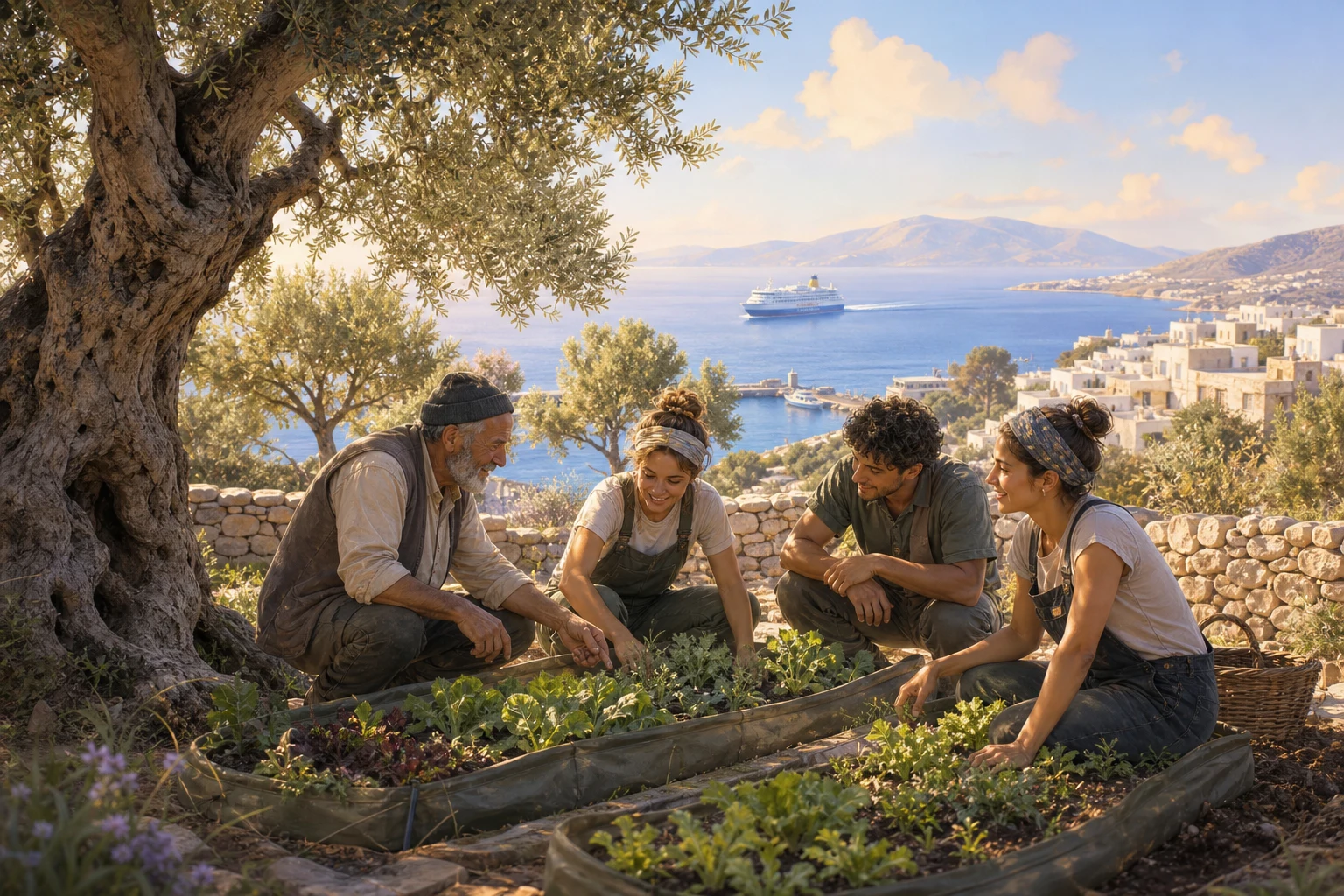
Where the Shade Falls
Tomas had already measured the orchard for sale when three young workers asked whether they could borrow it for one afternoon.
Read Story →
A Tune for Every Pocket
Celia could repair almost anything with a spring, a screwdriver, and enough patience. Her niece’s silence in music class required something different.
Read Story →