
Quote Stories
The Weight of Water
Trust returns one careful measure at a time.

The scoop slipped from Tomas’s hand and struck the mill floor with a wooden clack.
He had carried it for twelve years. Its handle was dark from flour and sweat, its rim polished smooth by thousands of fillings. Now, beside a straightedge, its quiet flaw was plain: one side dipped lower than the other.
The delivery waiting by the door was short by nearly a sack.
By sunset, the bakery across the lake had canceled its winter order. Tomas read the message twice, then turned the mill wheel until the rushing water sounded louder than his thoughts.
“I’ll sell the stones,” he told the empty room. “Someone else can grind grain.”
The next morning, a baker named Lio arrived with a basket of rolls and an inconvenient question.
“Did you check the grain’s moisture?”
Tomas frowned. “I measured it.”
“With the scoop?”
Before he could answer, Elder Sava came through the mill door carrying three jars of seed. She had kept planting records longer than Tomas had been alive, and she set the jars on his counter as carefully as if they contained eggs.
“Your scoop failed,” she said. “That does not mean you must.”
They began with what Tomas knew: grain changed with the weather. Dry kernels took less space; damp kernels took more. A single measure could not tell the whole story.
So Lio painted lines inside four containers—one for each common grain. Sava brought a balance made from a broom handle and two tin cups. Tomas built a shelf for sample jars and started a ledger. Beside every batch, he wrote the grain’s source, the day it arrived, its weight, and how it behaved under the millstones.
Their first revised order still went wrong.
The flour looked fine, but the baker’s dough absorbed too much water and emerged from the oven heavy and pale. Tomas stood in the bakery doorway, ready for anger.
Lio handed him a failed loaf.
“Tell me what happened,” she said.
Tomas could have blamed the lake fog, the storage barn, or the new containers. Instead, he opened his ledger.
“The rye was wetter than the sample I tested,” he said. “I promised a result when I should have explained the range.”
Lio studied the loaf. “Then explain it next time.”
The next week, Tomas invited the growers to bring small grain samples before committing to a full order. He posted the results on the mill wall. Some batches were accepted immediately. Others were adjusted, mixed, or returned with instructions.
At first, the open records embarrassed him. Then they became useful. Farmers began comparing storage methods. Bakers traded notes about dough. Apprentices learned to test instead of guessing. When someone found an error in the ledger, Tomas corrected it in ink rather than tearing out the page.
By harvest’s end, the mill’s old order book had been replaced by a shared table. Three growers supplied grain, two bakeries planned purchases together, and Sava kept a drawer of seed samples for future seasons. Tomas still owned the mill, but no longer worked as if every answer had to come from him alone.
He kept the warped scoop on the wall.
Below it, he hung a fresh sign:
MEASURE, RECORD, ASK.
The water turned the wheel. The wheel turned the stones. And in the steady rhythm of the mill, Tomas found that trust was not something he could demand back in a single perfect batch. It was something people could build with him, one honest measure at a time.
Related Quote Stories
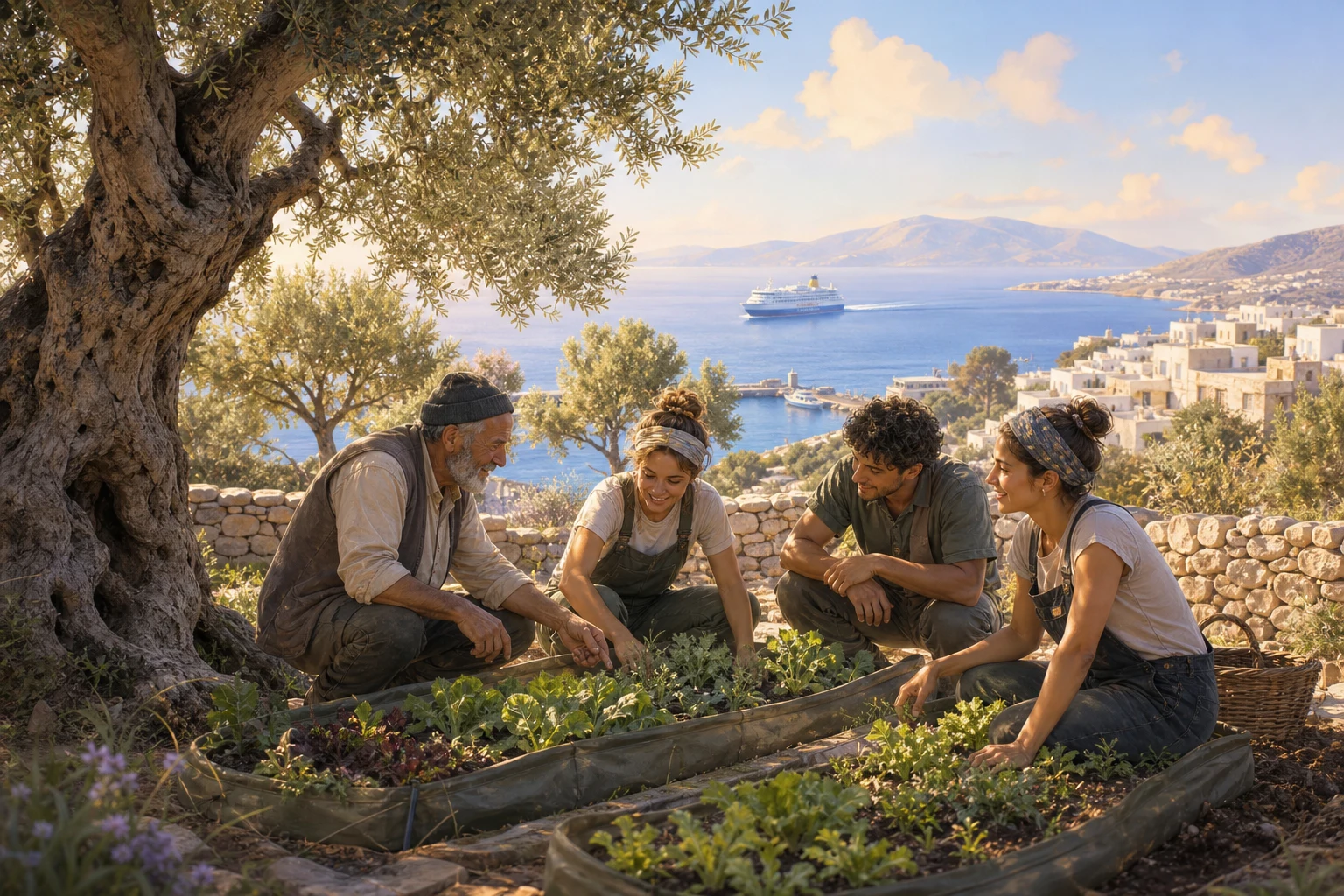
Where the Shade Falls
Tomas had already measured the orchard for sale when three young workers asked whether they could borrow it for one afternoon.
Read Story →
What the Crates Taught Him
When an early harvest overwhelms his packing shed, Bastian must choose between protecting his methods and trusting the people who can improve them.
Read Story →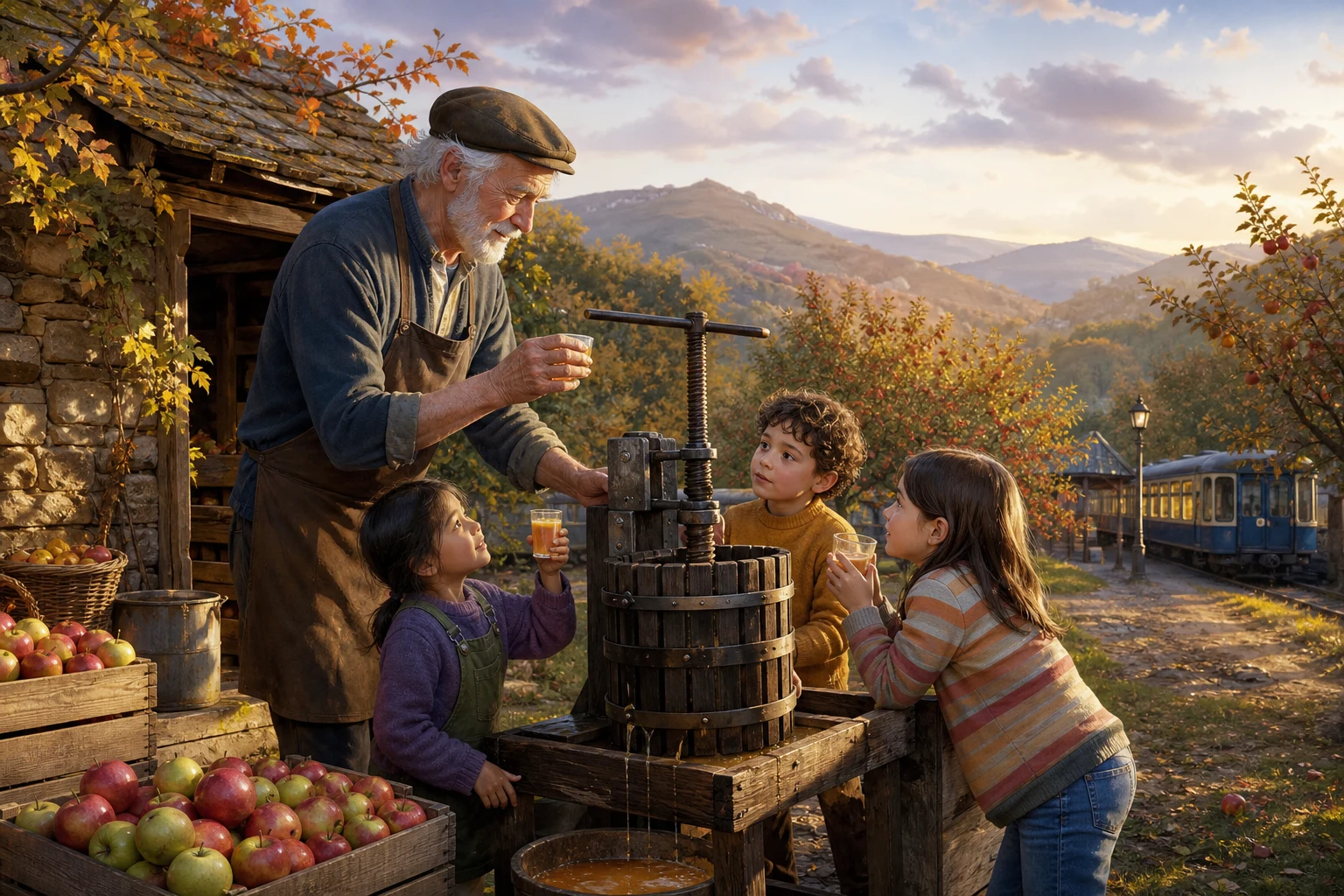
When the Press Learned to Listen
Irena was halfway through pricing her old apple press when three children arrived with a question, a crate of bruised apples, and no intention of taking no for an answer.
Read Story →