
Quote Stories
Markers on the Climb
Mirela learns that a finish line can hold more than one victory.
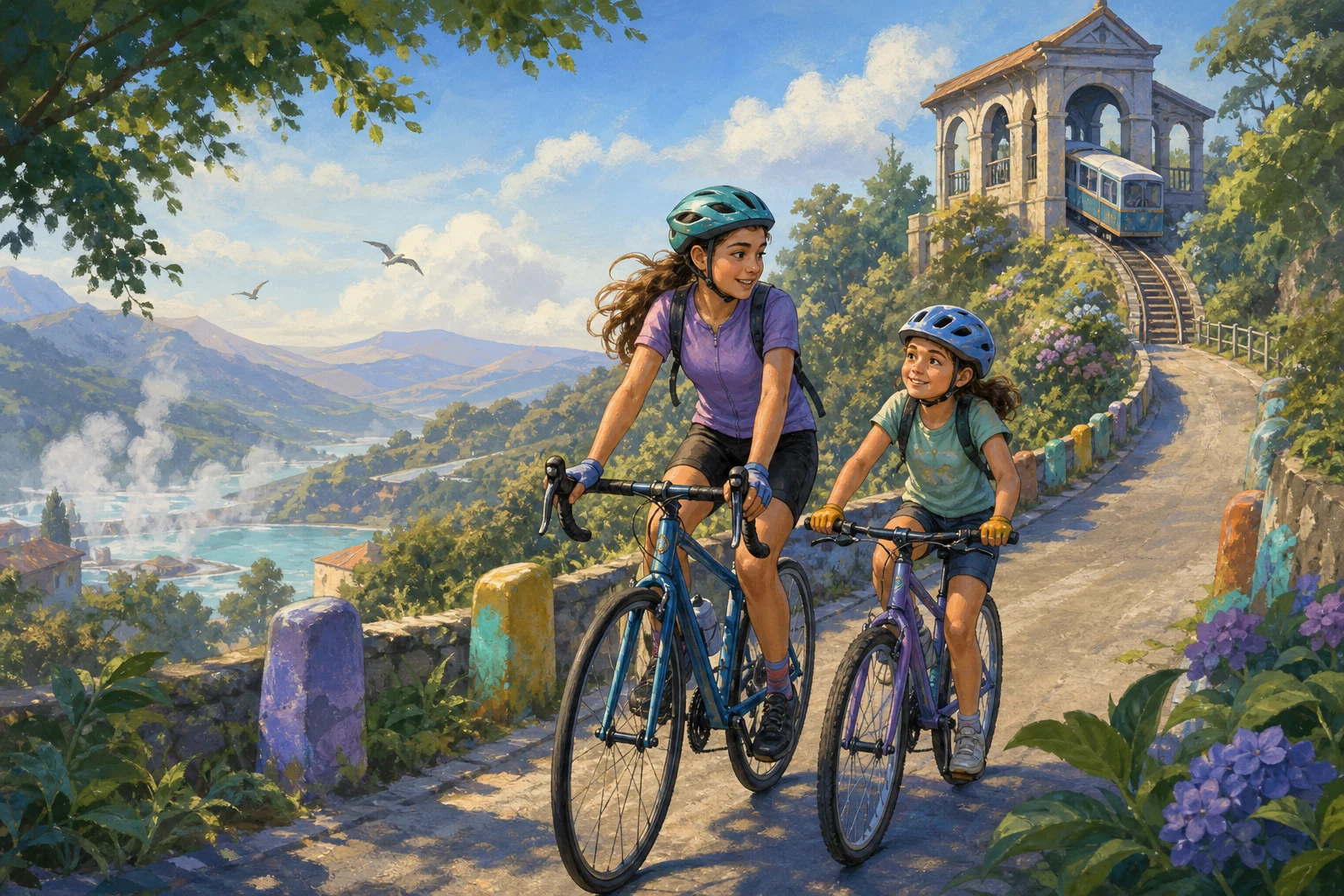
The red marker swung loose from its branch just as Mirela reached the bend.
She braked, jumped off her bicycle, and caught it before it tumbled into the nettles. Behind her, a smaller blue bicycle wobbled to a stop.
“Wait,” called Doru, breathing hard. “Is that the turn?”
“It was,” Mirela said. “Now it’s a very convincing bush.”
Doru looked at the hill ahead. The road climbed past white mineral baths, under chestnut trees, and toward the old funicular station at the ridge. His face tightened.
“I’m going home.”
Mirela glanced at her watch. She had planned to complete three practice laps before lunch. Her best time on the circuit was already written in her notebook, circled twice, with a blank line waiting for a smaller number.
“You’re almost halfway,” she said.
“That’s not encouraging.”
She wanted to laugh, but Doru’s hands were trembling on the handlebars. He had joined the junior club two weeks earlier. Since then, he had fallen behind on every climb and apologized after every one.
Mirela turned her bicycle around. “Come on. We’ll ride together.”
They reached the top slowly. By the time they returned to the clubhouse, Mirela had lost the first of her three planned laps. The next day, she shortened her session again. On the third day, Coach Lada stopped her beside the equipment shed.
“You’re spending half your training beside Doru,” she said.
“He needs practice.”
“So do you.”
Mirela expected a reprimand. Instead, Coach Lada pointed toward the road, where two riders were climbing at different speeds.
“Treating everyone identically means giving everyone the same lap, the same instructions, the same expectation. Fairness is noticing what helps each rider improve.”
Mirela frowned. “So I should just keep riding with him?”
“Not secretly. And not instead of your own work.”
That afternoon, Mirela studied the circuit map pinned inside the clubhouse. The route had twelve painted markers, but several were faded or hidden by leaves. She suggested pairing experienced riders with newer ones. On each practice lap, the stronger rider would work on pacing rather than speed, while the newer rider would choose one marker to inspect and report on.
At first, the older riders complained. Then they discovered that holding a steady pace was harder than sprinting. The beginners began noticing loose signs, muddy patches, and safe places to stop. Doru chose the blue gate as his marker and never missed it.
“Your turn,” he told Mirela one afternoon, pointing to the map. “Which part are you bad at?”
“Downhill corners,” she admitted.
Doru considered this. “Then we’ll practice those.”
The final hill circuit arrived beneath a clear, bright sky. Steam lifted from the bathhouse roofs, and bells from the funicular rang across the valley. Mirela pinned her number to her jersey and checked the clock near the starting line.
Her target time was possible. It was also no longer the only thing she was watching.
Doru started too quickly and faded before the first climb. Mirela eased back beside him.
“Blue gate?” she asked.
He nodded.
They passed it together. At the next bend, another rider slipped on loose gravel. Doru called out, and the riders behind them slowed safely. Mirela felt the race stretching and changing around them—not a line of winners and losers, but a moving chain of attention.
Near the final climb, Doru’s legs began to shake.
“You go,” he said. “I’ll finish.”
Mirela looked toward the ridge. Her best time was still within reach if she left him now.
Then Doru pointed ahead. The last marker, a small yellow triangle, fluttered beside the funicular station.
“Let’s find it,” he said.
They climbed together. Mirela called the rhythm; Doru chose the line through the bend. At the top, he crossed the finish with both hands lifted, laughing as if the whole hill had surprised him.
Mirela finished several minutes slower than her planned time. Coach Lada handed her a results sheet, then another page: the club’s route notes, filled with observations from every rider.
“You improved the circuit,” the coach said.
Mirela looked at Doru, who was already explaining the blue gate to a new rider.
She folded the results sheet into her notebook. There was still a blank line beneath her old record. She left it blank for now.
At the next practice, she rode the first lap alone, working on her downhill corners. On the second, she paired with Doru. He led through the bend, and Mirela followed his line.
Neither of them checked the clock until they reached the top.
Related Quote Stories
Where the Afternoon Lands
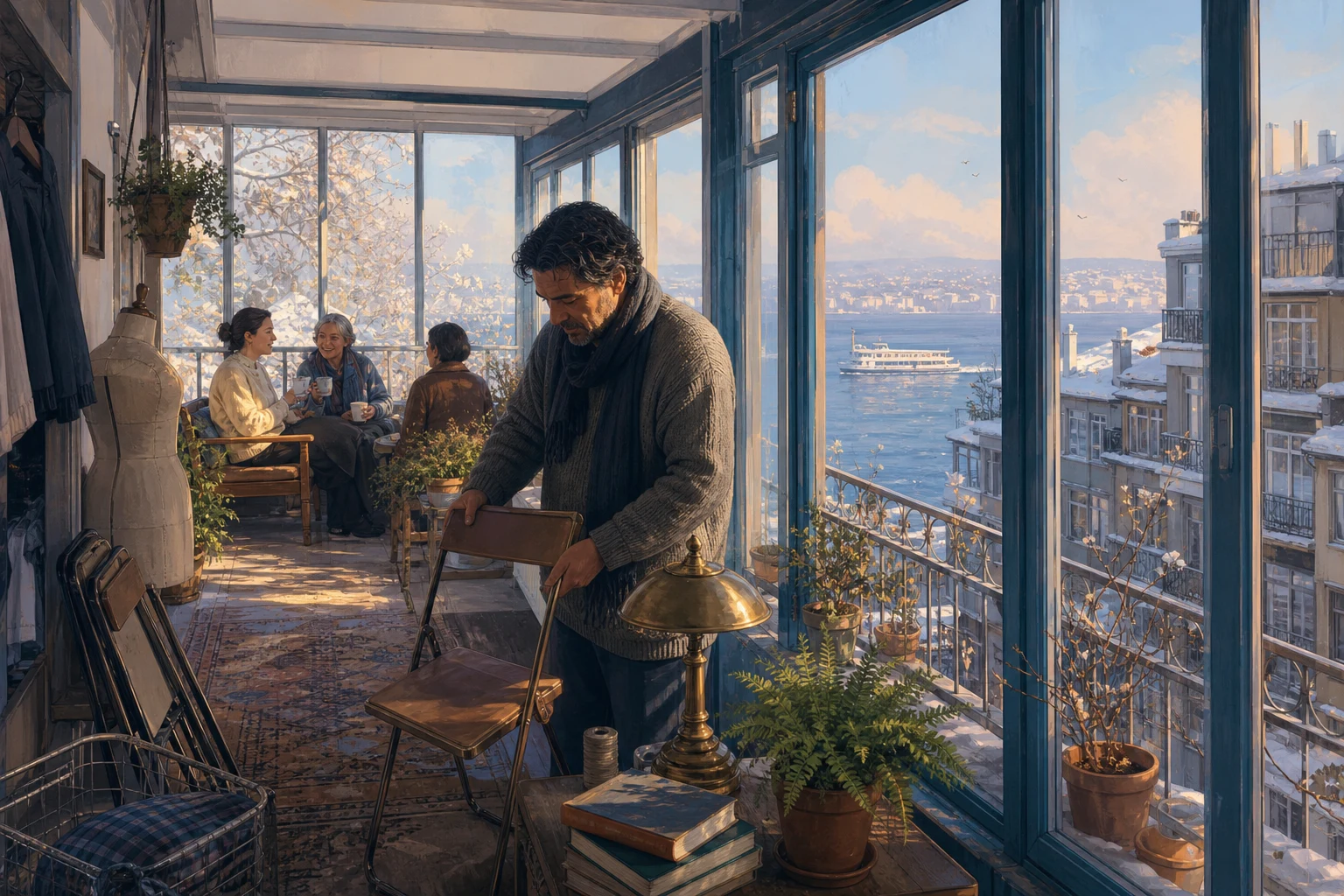
Nessa knew exactly how much fabric a winter coat required. She was less certain how much room a neighbor needed to feel welcome.
Read Story →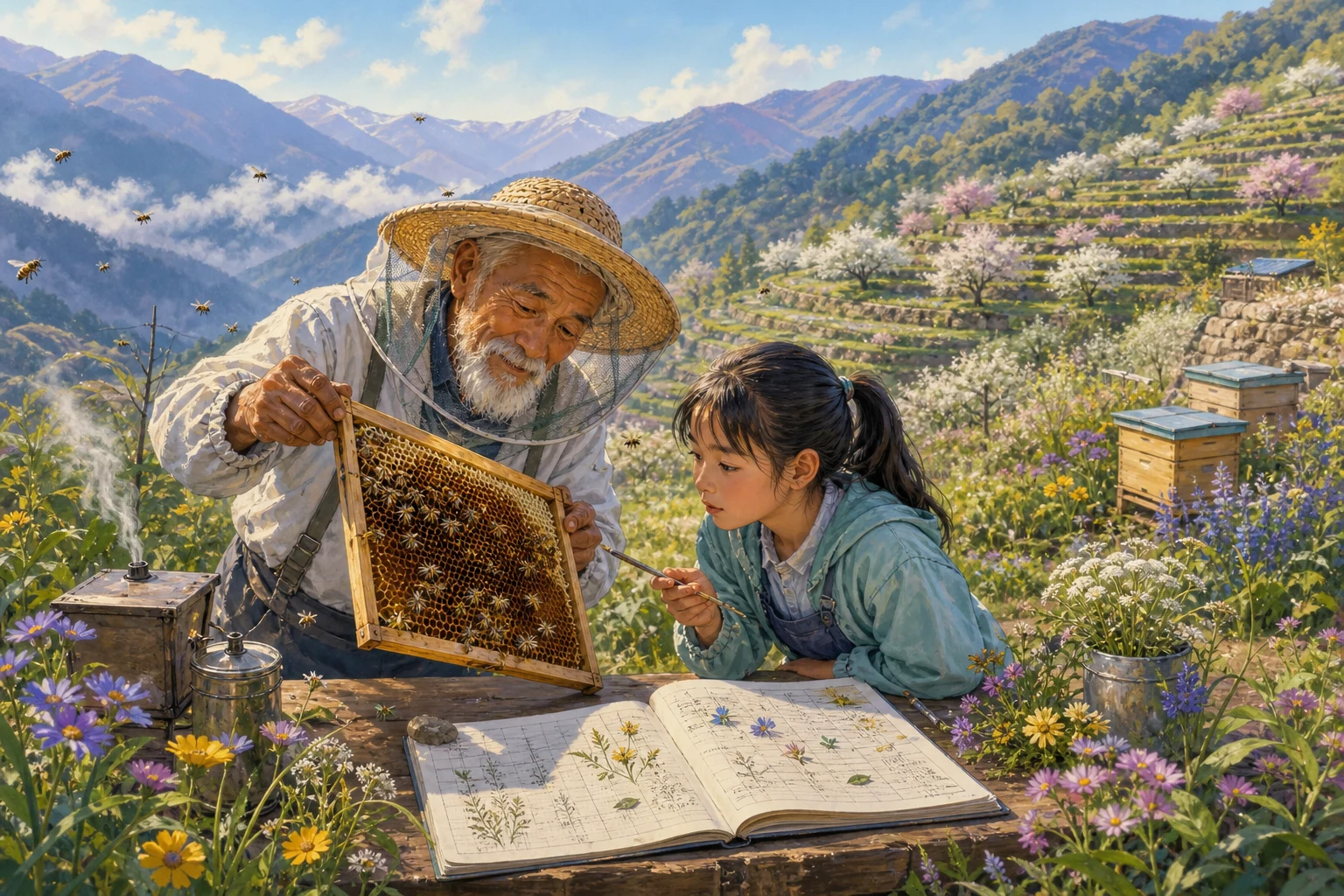
Rows That Remember Rain
Oren trusted numbers, neat columns, and the quiet certainty of a closed notebook. Then a child asked him a question his records could not answer.
Read Story →
A Roof Full of Green
Vale arrived with a measuring tape, three black rubbish bags, and a plan to turn the old rooftop greenhouse into something clean enough to win a competition. Then she found the name tags.
Read Story →